Welcome To M0ZWW/P
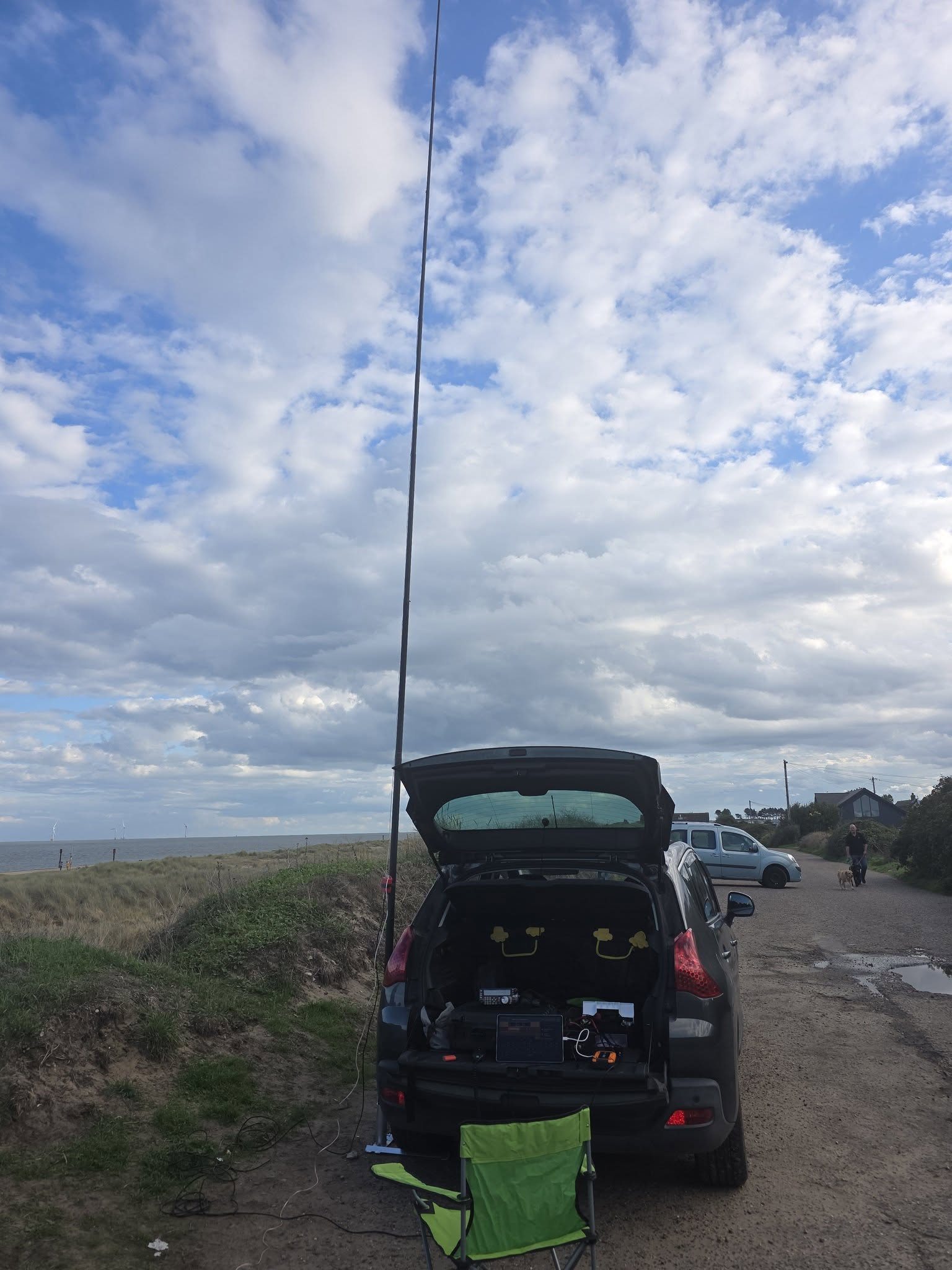
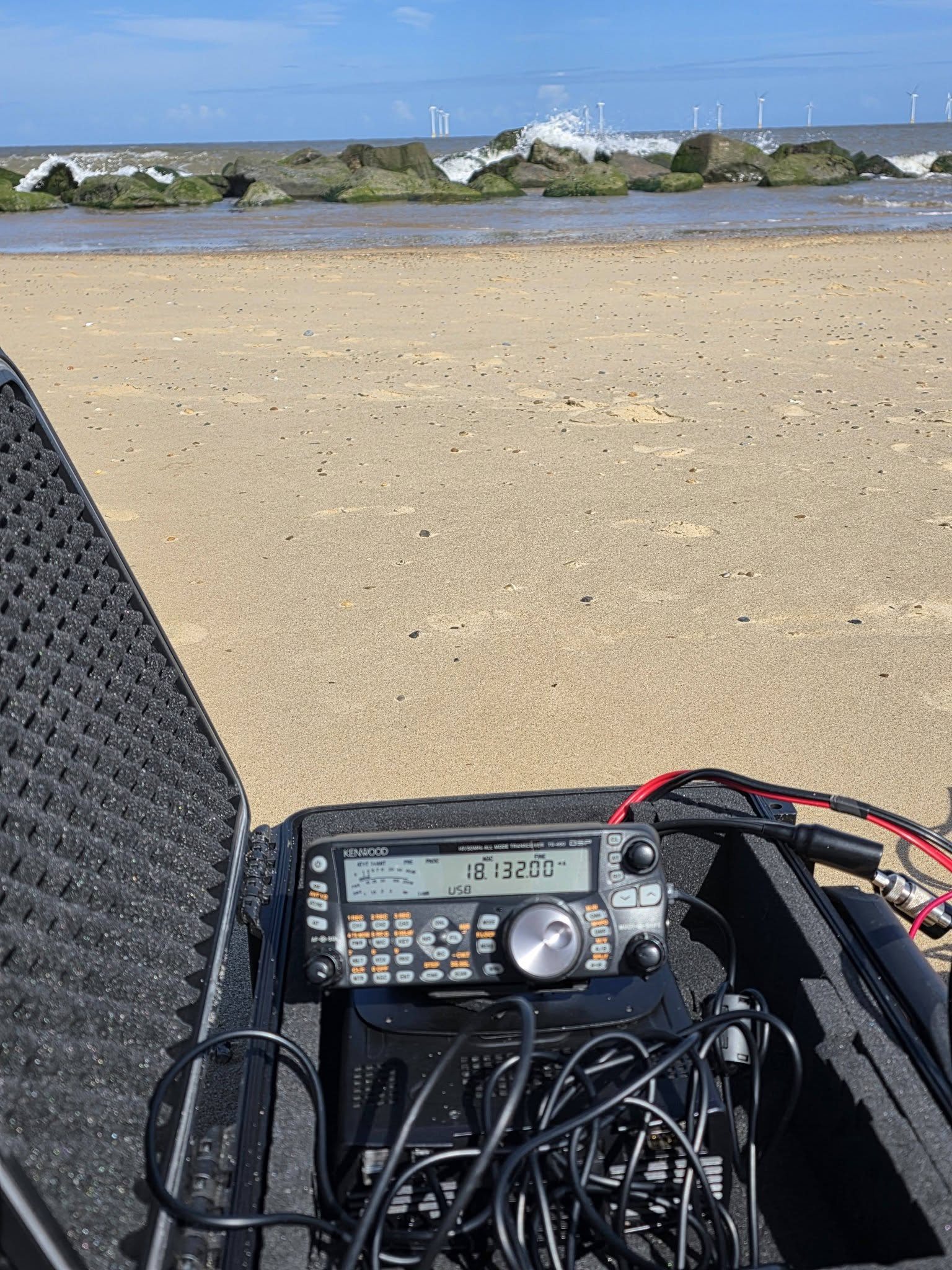
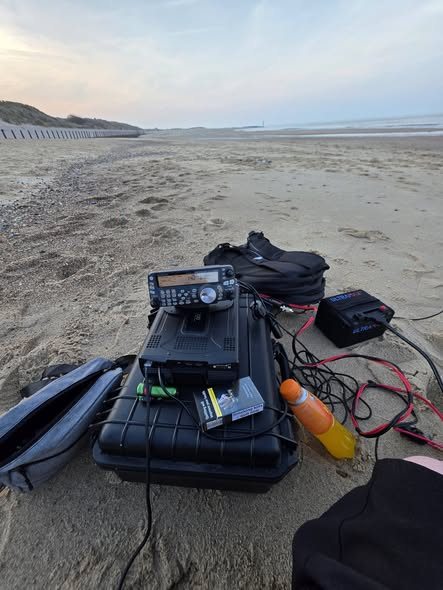
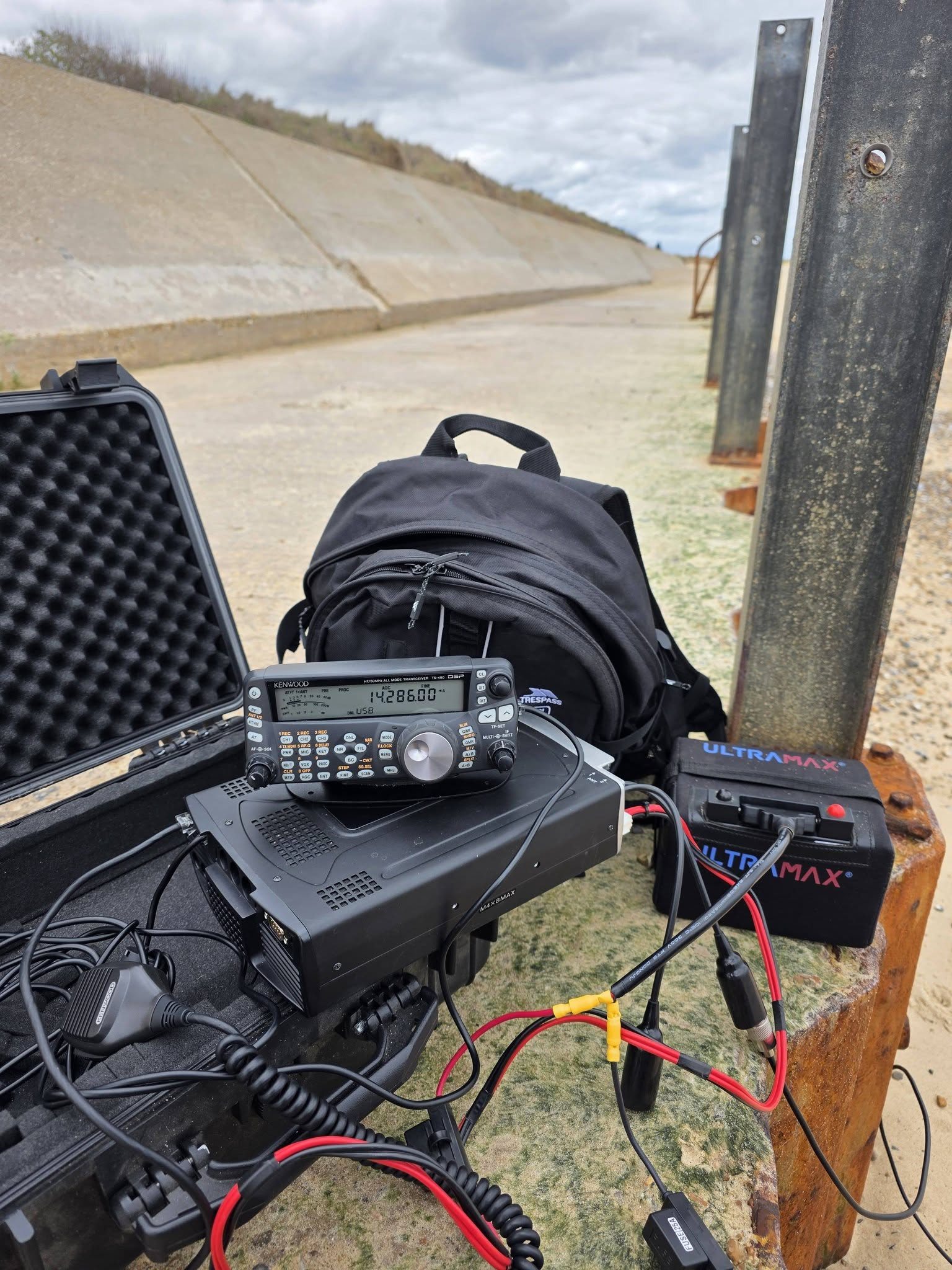
For portable operation, I primarily use a Kenwood TS-480SAT, an Ultramax 35 Ah LiPo battery, and a selection of telescopic poles, lengths of wire, baluns, ununs and miles of black electrical tape. For logging, I use the M0ZWW Field Ops app, my own logging application, which can be downloaded here free of charge. It is currently in beta and may contain bugs, so please report any you find. If there are any features you would like implemented, please let me know.
Portable operation is a great part of the hobby. Not only are you out in the fresh air at some excellent locations, but from the right spot you can also work some great DX. It also gives you the opportunity to try antennas that may not be practical at home because of their size or planning restrictions (boo!).
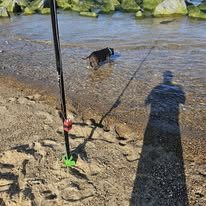
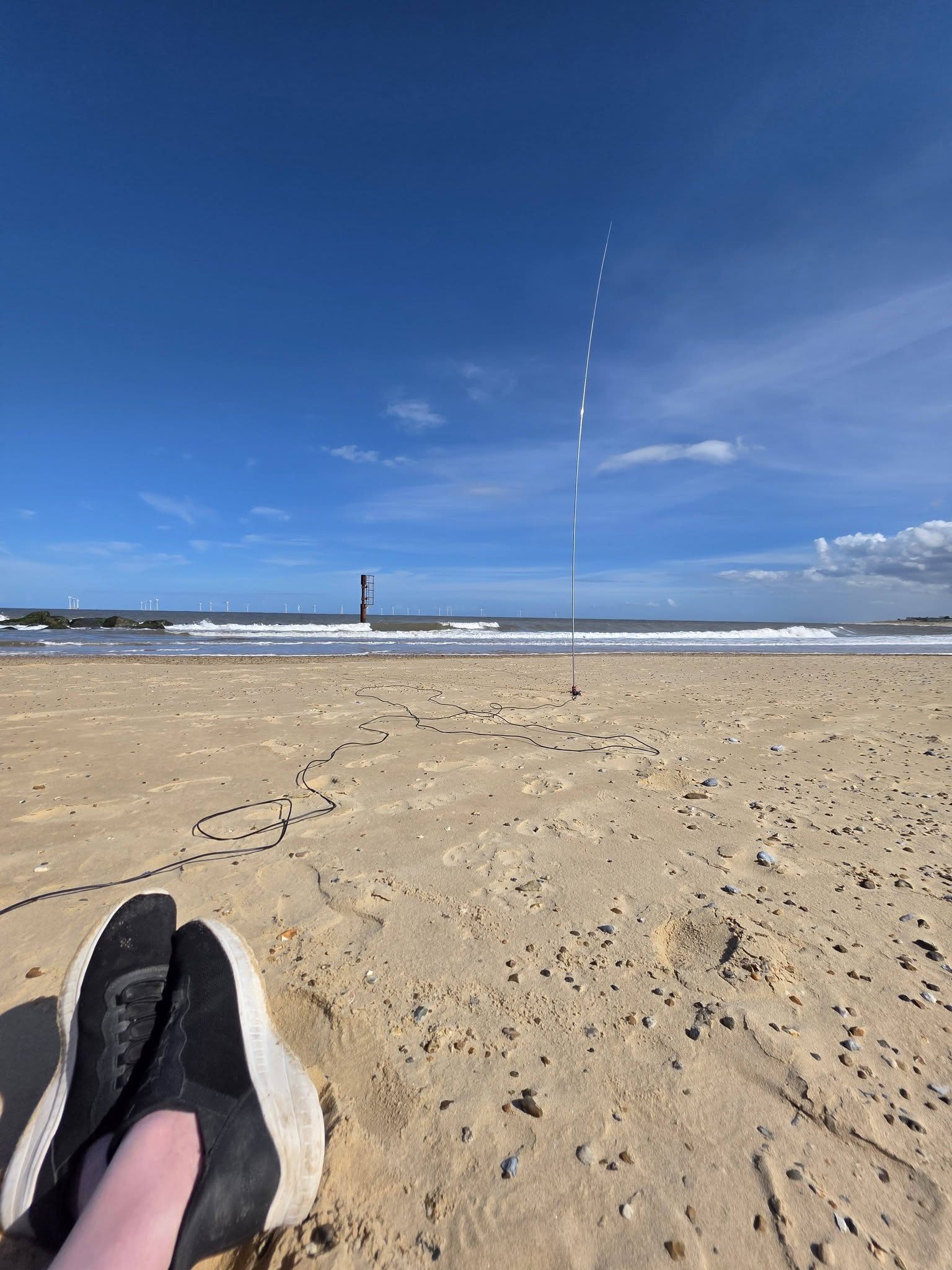
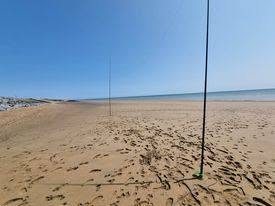
My favourite locations, and always my first choices, are the beaches at Caister-on-Sea in Norfolk and Camber Sands on the South Coast. Both have vast expanses of saltwater-soaked sand—miles of it. In Norfolk, there are also very few people and several POTA parks along the beach.
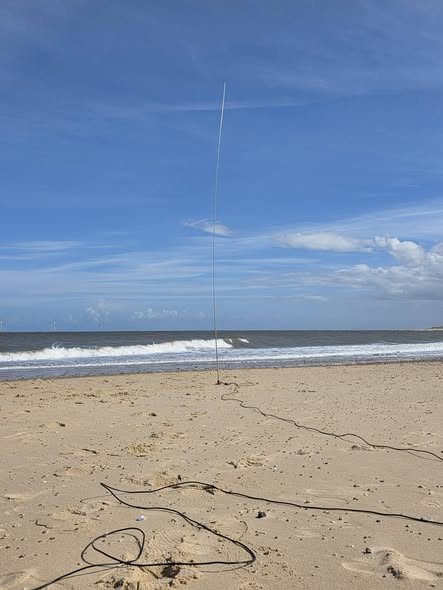
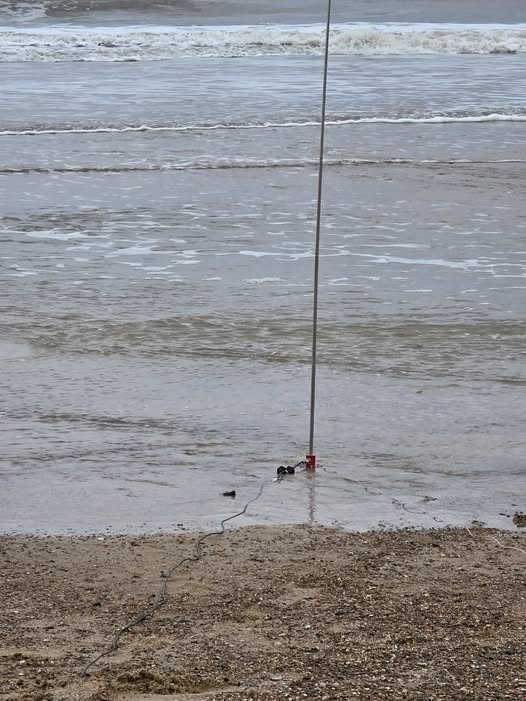
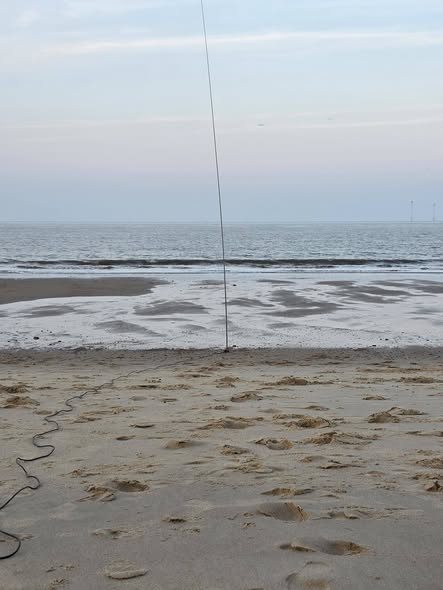
The antenna setup can be very simple. A quarter-wave vertical with a couple of radials, positioned close to the sea, can be a formidable antenna compared with the same setup in an inland urban environment.
This far-field plot of a simple 20 m quarter-wave vertical with four radials at the beach edge gives amazing gain. It is like adding a 500 W amplifier!
Another favourite antenna I love to use on the beach is the half-square. Basically, it is half a full-size loop fed against the ground. The original design fed the antenna in either top corner and was monoband. I feed mine at the bottom with a 49:1 transformer. This makes it a multiband antenna with the same properties as a standard 40 m EFHW, so no ATU is needed for 40, 20, 15 and 10 m-ish.
On 40 m, it is up, up and away with the RF, so it is perfect for inter-UK work and nearby continental Europe. Get on 20 m and that is where the fun begins! With 9 dB of gain off the sides of the antenna, it is around 800 W equivalent. That is some punch over open water and a no-brainer.
This is the far-field plot on 20 m—that is a lot of gain! The antenna is simple in design: 5 m up, 10 m horizontal and 5 m down. It is taped to a pair of 7 m telescopic masts and fed through a 49:1 unun. The coax acts as the counterpoise, with a CMC choke at the radio.
Great lobes on 10 m, with 7 dB of gain.
This is a fantastic spot for portable operation, with uninterrupted take-off looking north: The View Point in Brenchley, Kent (JO01ED). The antenna is a simple T2LT, otherwise known as a vertical coaxial dipole, for 10 m. The band was wide open, and I worked a number of stations in Canada and the US on 10 m FM—a mode I had disregarded for a long time on HF, which was a big mistake!